Background
In the spring of 2020, coronavirus was spreading across the world from its origins in China. Country by country and continent by continent the world went into lockdown. Sport was brought to a halt.
Football leagues from the Premier League to La Liga, and US sports leagues including the NBA and the MLB, suspended their seasons. The Champions League was put on hold while Euro 2020 and the Tour de France were postponed. Wimbledon and the British Open golf were simply cancelled.
Olympic dilemma
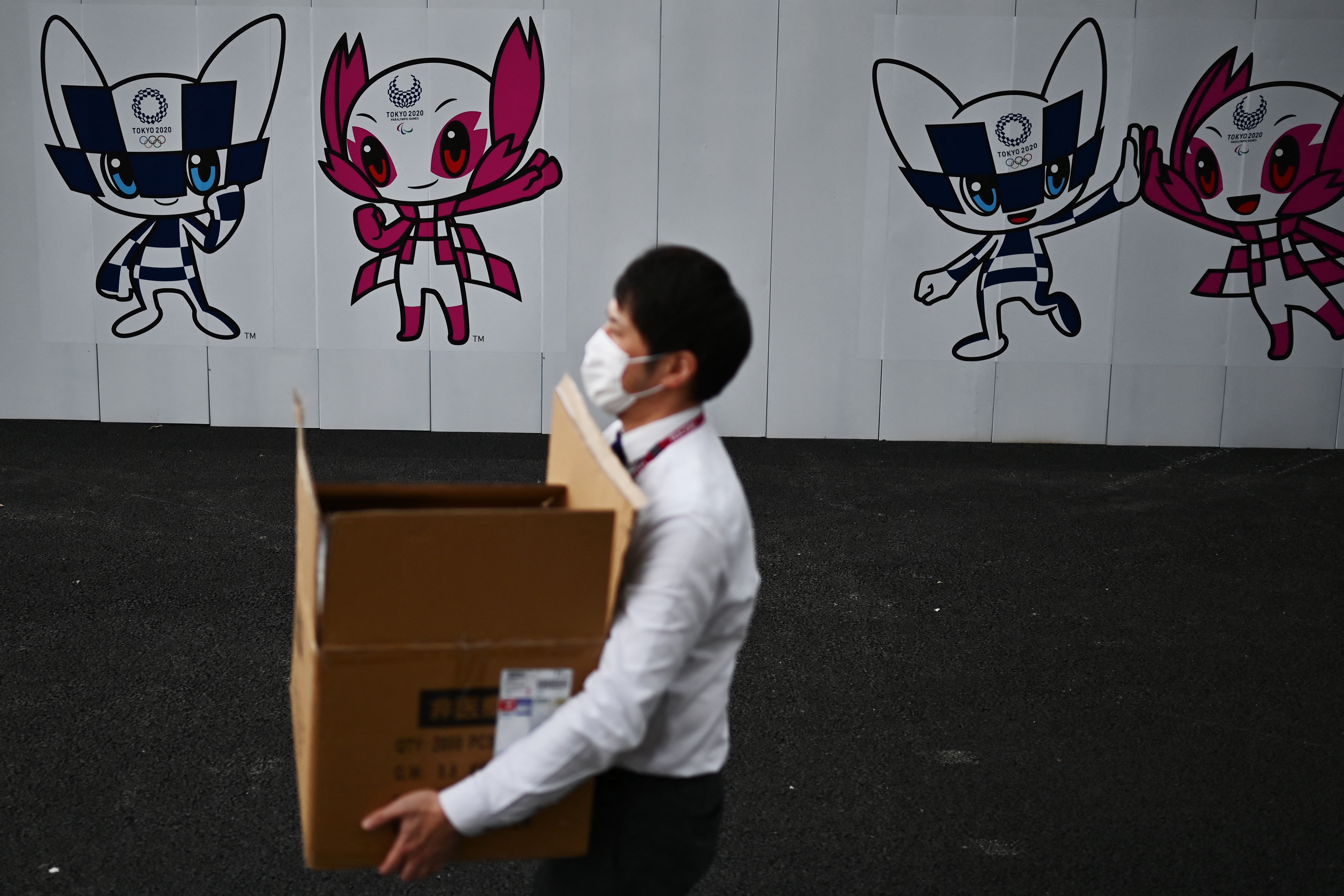
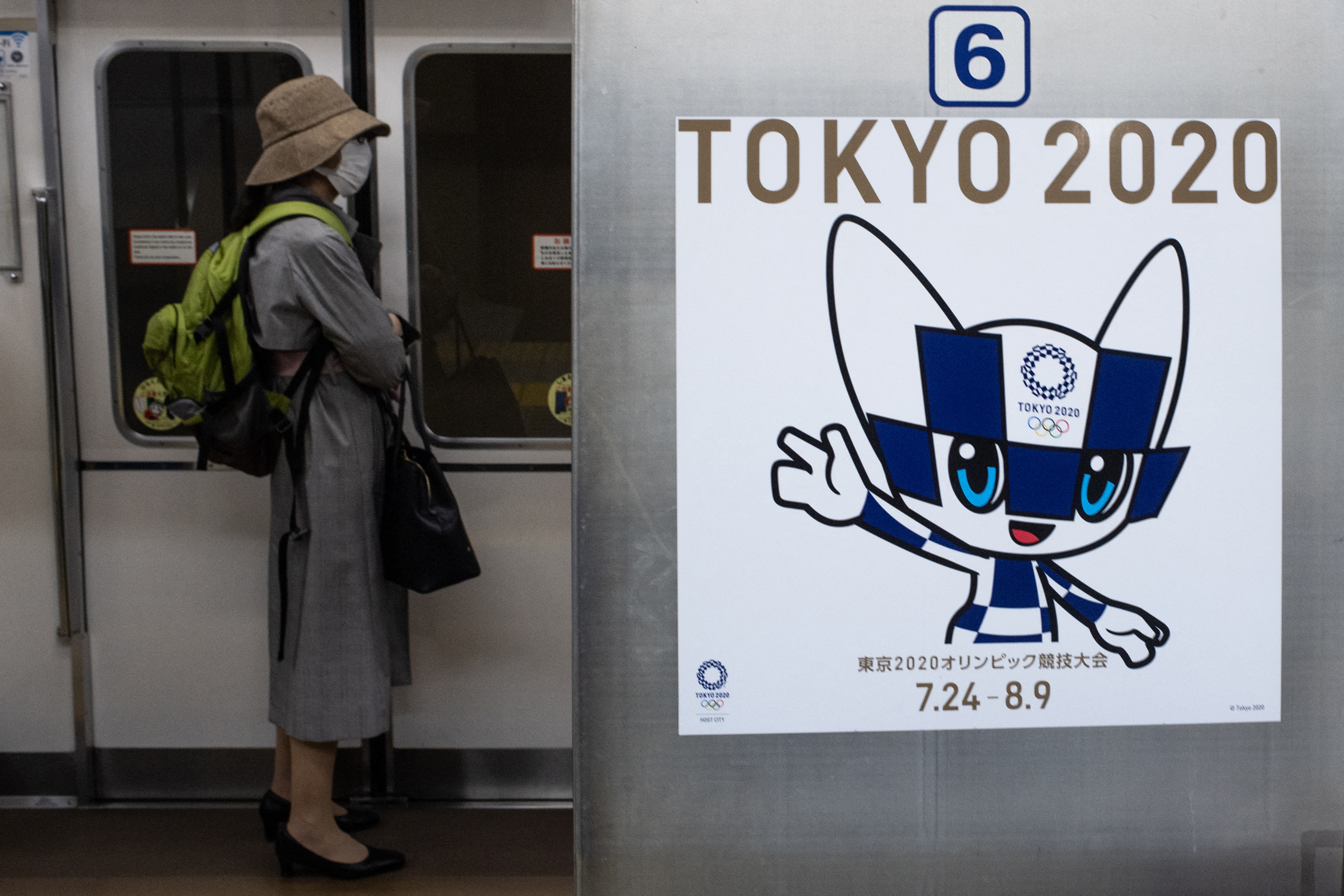
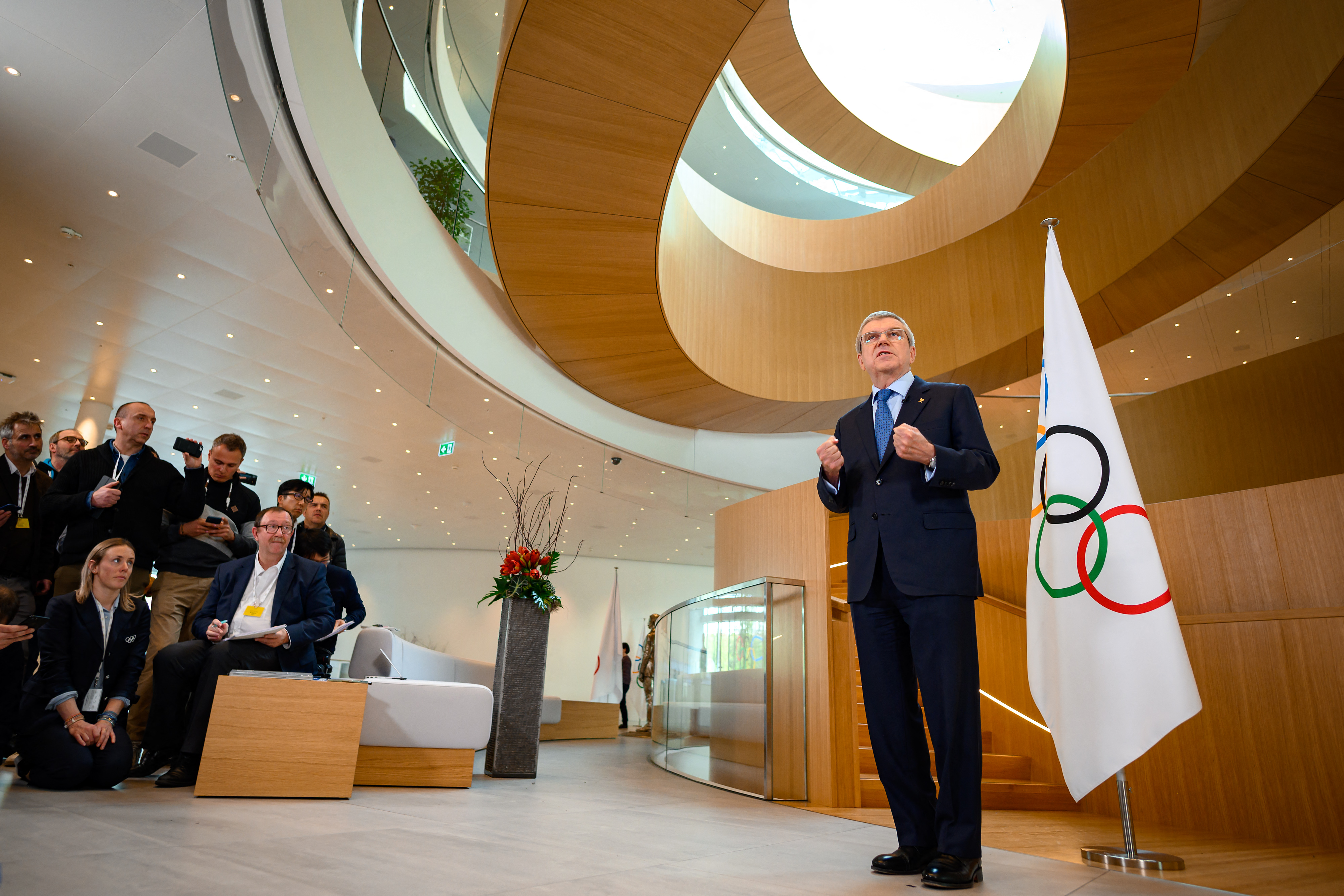
The organisers of the biggest event of them all, the Olympic Games, bided their time. The Games were due to take place in Tokyo from July 24 to August 9. For several weeks, the International Olympic Committee and the local Japanese organisers mulled over their options. Meanwhile, the pressure from athletes, governments and the public ratcheted up.
What happened
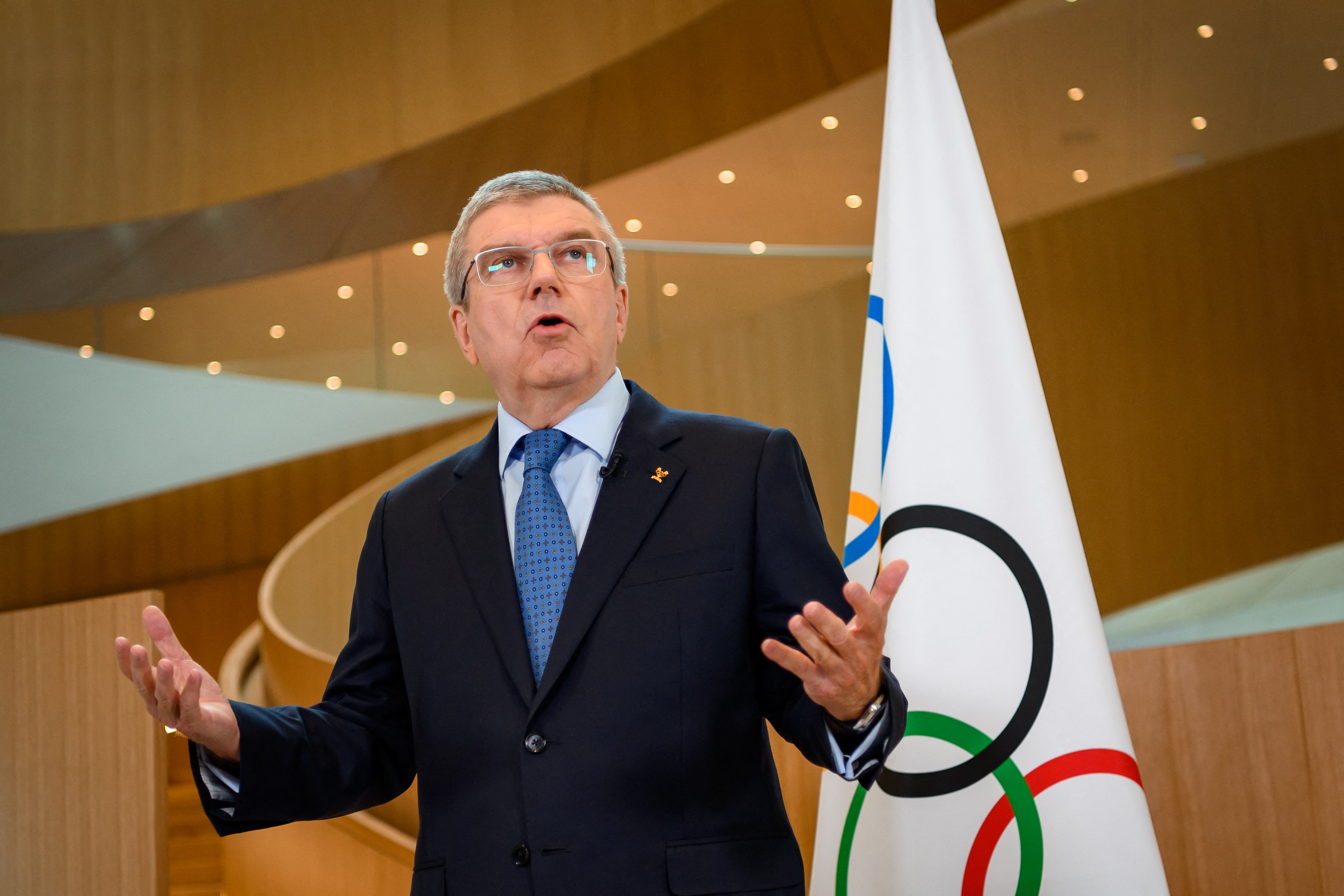
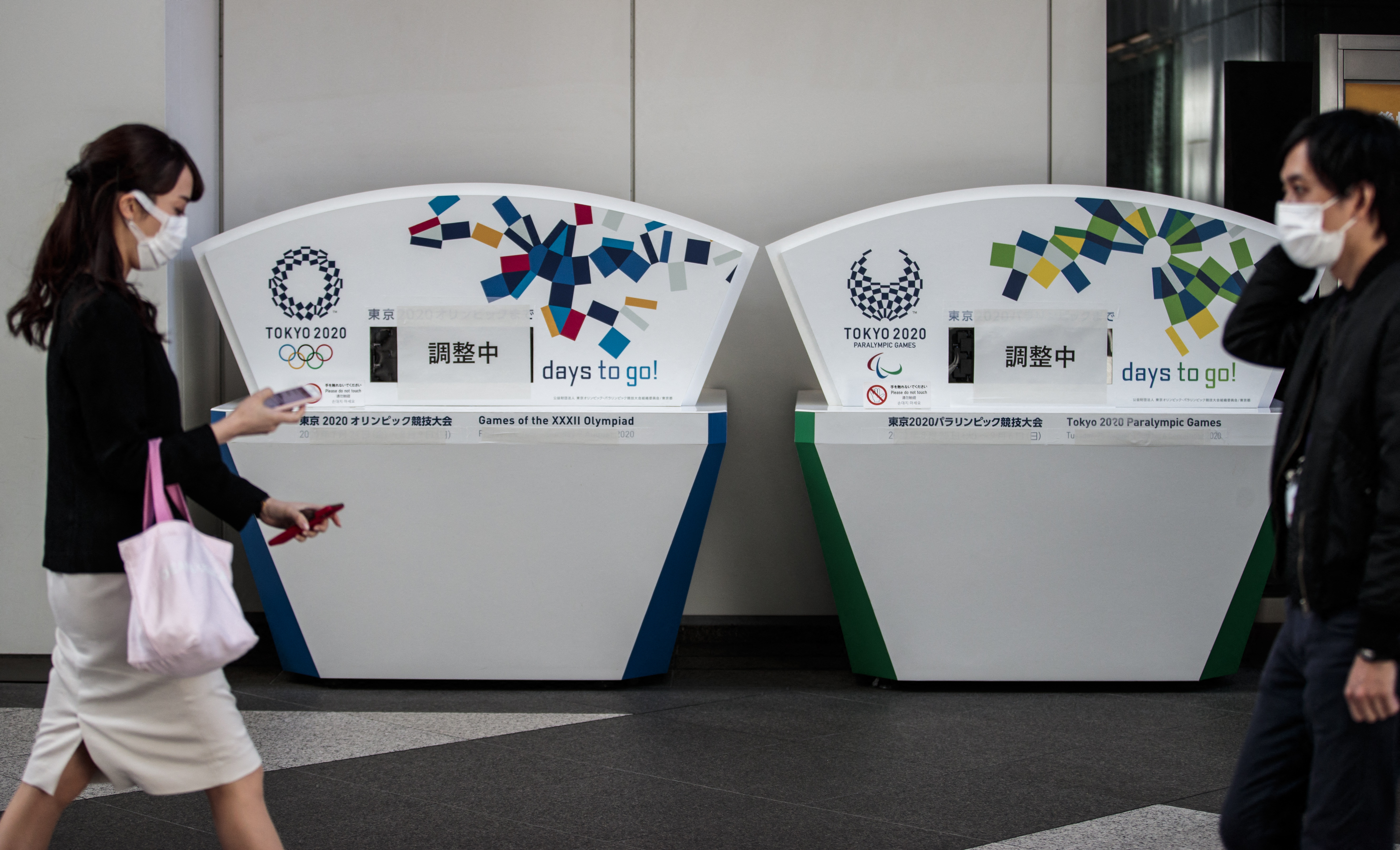
Finally, at 1:51pm on March 24, AFP sent a Flash from Lausanne: "Tokyo Olympics postponed: IOC". The use of a Flash, reserved for events that leave their mark on history such as the election of a US president or the result of a football World Cup final, illustrates the impact of this decision on 200 participating countries, 11,000 athletes and billions of TV viewers.
Advance planning
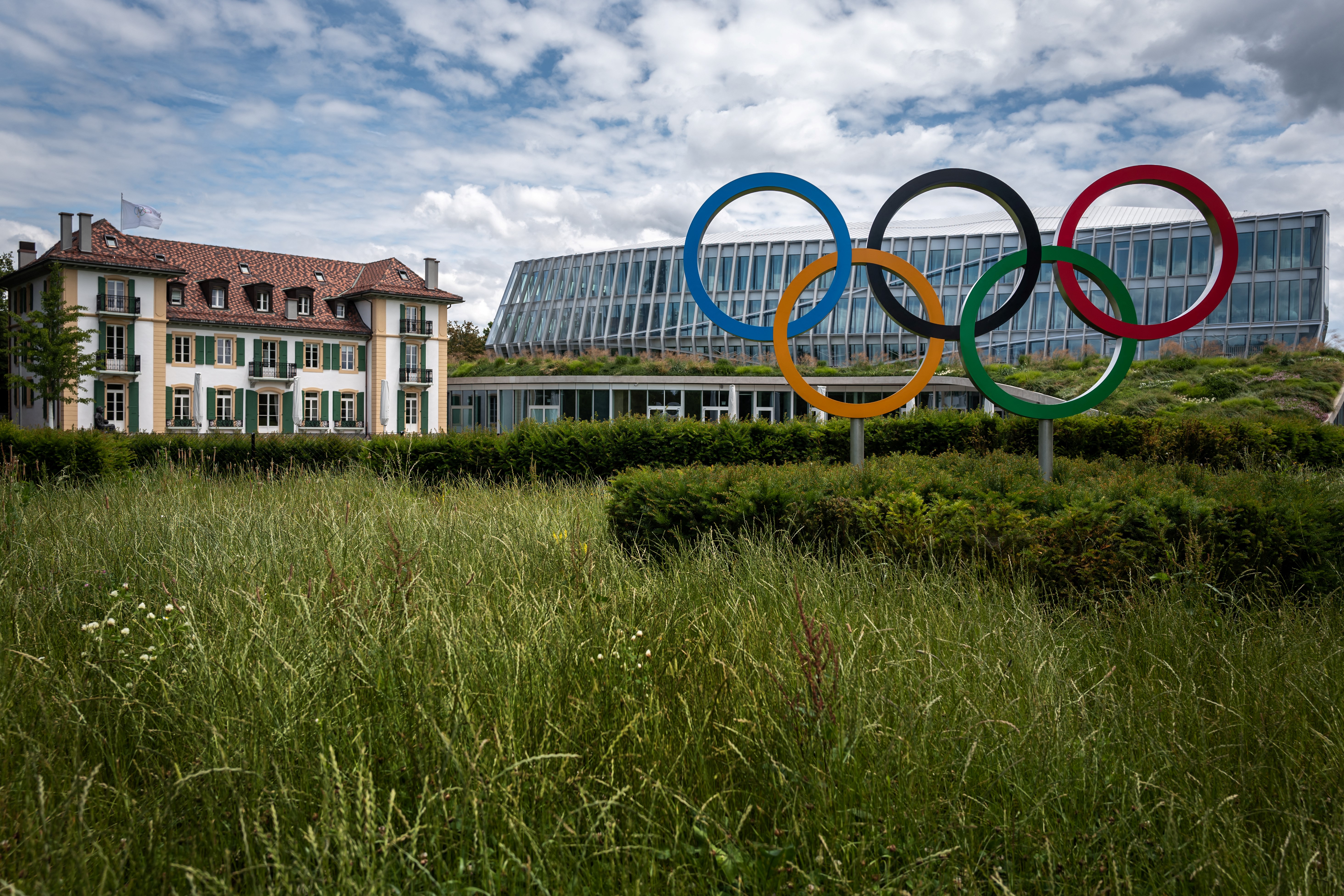
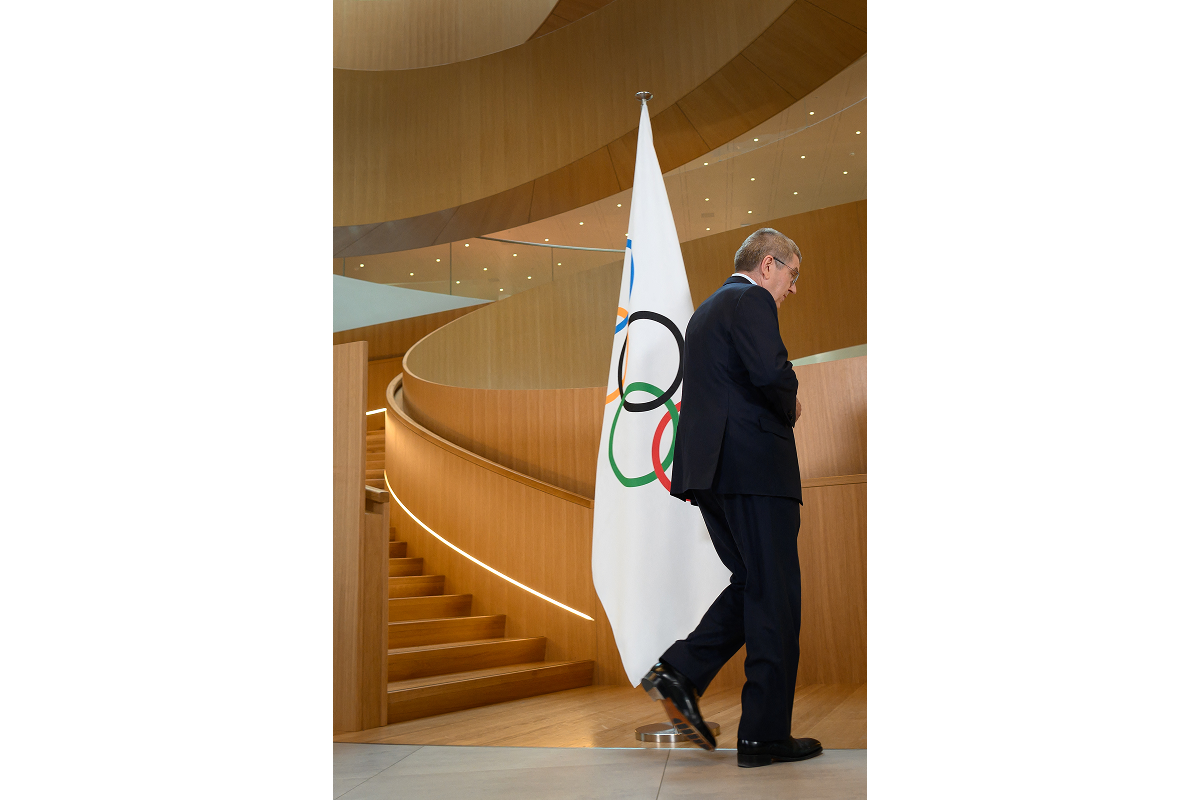
For AFP the coverage of the announcement had been planned for weeks. It was the result of close cooperation between the chief editors of the Sports department, the Tokyo bureau and the Lausanne bureau, where AFP has an office in the very heart of the Olympic movement, the Maison du Sport International, which houses a dozen international sports federations. This proximity allowed our journalist Eric Bernaudeau to build a network of contacts. His sources and those developed by our Tokyo bureau helped us to keep track of the fast-evolving situation in the buildup to the day of the historic postponement. In the four hours that follow the Flash, AFP sent out more than 10,000 words of reports, reactions and analysis in a range of languages. This was enriched by photos, videos and graphics. Now we are looking forward to the Olympics taking place in 2021.